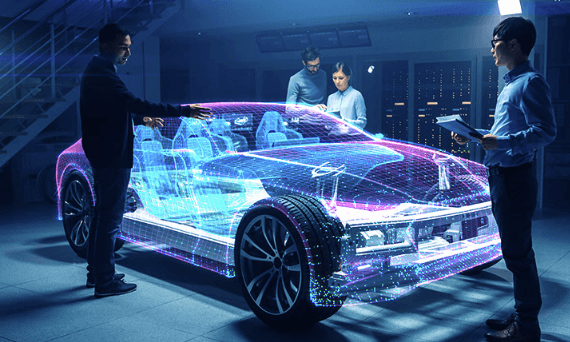
Technology is reshaping vehicles through integrated digital systems, OTA updates, and modular architectures. Data and AI transform raw sensor streams into actionable insights, while governance protects privacy and guides edge inference. Electrification, connected services, and dynamic maintenance models alter ownership and cost structures. Coordinated roadmaps across manufacturers, owners, and technicians become essential for sustainable, autonomous-ready mobility. The implications for design and operations are substantial, and the trajectory invites further scrutiny of how these shifts unfold in practice.
What Tech Is Reshaping Modern Vehicles
The automotive landscape is being reshaped by a convergence of digital technologies, sensor fusion, and computing power that enables smarter, safer, and more efficient vehicles.
Industry players harness integrated systems, over-the-air updates, and modular architectures to accelerate development.
Privacy concerns and supply chain resilience shape strategies, influencing standards, partnerships, and investment as manufacturers pursue configurable, scalable platforms for freedom-driven mobility.
How Data and AI Power Safer, Smarter Driving
Data and AI are redefining driving safety and efficiency by turning raw sensor streams into actionable insight. By integrating data ethics and robust model governance, firms safeguard data privacy while enabling reliable edge inference.
Simulation accuracy hinges on training data quality, guiding real‑time decisions. This approach supports safer, smarter driving, balancing autonomy with human oversight and freedom to innovate.
The Shift to Electrification, OTA, and Connected Services
Electric propulsion shifts design priorities toward efficiency, weight management, and software-defined operation, while battery lifecycle considerations increasingly govern total cost of ownership, reliability, and long-term serviceability across connected ecosystems.
What This Means for Ownership, Maintenance, and the Roadmap Ahead
Crossing into ownership, maintenance, and the road map ahead, the shift to electrification, OTA, and connected services redefines total cost of ownership, service intervals, and aftermarket expectations.
Ownership costs become dynamic, influenced by software updates and smarter diagnostics.
Maintenance schedules evolve with predictive analytics, reducing downtime.
A clear road map aligns manufacturers, owners, and technicians toward sustainable, autonomous-ready mobility.
Frequently Asked Questions
How Do Autonomous Features Affect Insurance Premiums and Coverage?
Autonomous features tend to lower personal injury risk, gradually reducing autonomous premiums while shifting some coverage burdens toward cyber and software liability. Coverage impacts vary, with insurers scrutinizing data access, fault attribution, and system integrity before pricing adjustments.
See also: techkap
What Are the Privacy Implications of In-Car Data Collection?
In-car data collection raises privacy concerns about data ownership and consent models. Regulators and manufacturers must clarify ownership rights, provide transparent consent mechanisms, and enable user-controlled data sharing while preserving innovation and consumer freedom in a rapidly evolving market.
Will Vehicle Software Updates Introduce New Bugs or Glitches?
Yes, ironically, updates occasionally introduce bugs; however, ongoing testing mitigates risk. Analysts emphasize data privacy and in car diagnostics, while stakeholders value reliability and freedom, balancing speed of software releases with rigorous version control and quality assurance.
How Soon Will Affordable EV Charging Infrastructure Be Nationwide?
Affordable charging nationwide rollout is projected within the next decade, contingent on policy, investment, and grid upgrades. Analysts emphasize scalable infrastructure, standardized connectors, and private-public collaboration to balance reliability with consumer freedom and market competition.
Can Retrofitting Old Cars With New Tech Be Cost-Effective?
Absolutely not a miracle; retrofitting old cars with new tech can be cost-effective under certain conditions. Retrofit costs vary, and old car compatibility remains the key determinant, influencing total value and scalability for freedom-seeking owners.
Conclusion
The automotive sector stands at a pivotal juncture, where technology augments control, efficiency, and safety in unprecedented measure. Data and AI enable proactive decision-making, while electrification and OTA updates redefine ownership and maintenance economics. The resulting ecosystem demands coordinated roadmaps among manufacturers, owners, and service providers to sustain performance and trust. This convergence promises transformation on a scale seldom seen, reshaping mobility into a near-futuristic standard that feels almost mythic in its reach and impact. Hyperbolically, the ignition of innovation seems infinite.